







Search Results for: nitrogen freshness preservation
Can Overnight Tea Really Be Drunk? Changes in Fertilized vs. Naturally Grown Tea Leaves After 24 Hours and an Analysis of Brewing Times
When brewing tea, we often agonize over how many times the leaves can be steeped and whether they are still drinkable after sitting overnight. Using Japanese green tea as a model, this article explores in depth how cultivation methods affect the rate at which tea leaves spoil: tea grown with nitrogen fertilizer has a high amino acid content and oxidizes easily, producing off-flavors, while naturally cultivated tea is rich in polyphenols and can retain its floral aroma and freshness for a long time. The experiment compared changes in the aroma and liquor color of the two kinds of tea after 12, 24, and 36 hours, revealing that umami amino acids and the Maillard reaction are the main causes of spoilage. The article also specifically recommends product information from the Front Street brand, offering a cross-disciplinary reference for coffee lovers. Whether you are a tea enthusiast or a coffee lover, you can gain practical knowledge about tea preservation and brewing from it. [more…]
Drip Bag Coffee Buying Guide: How to Tell Good Brands from Bad, Plus Eight Front Street Specialty Flavor Recommendations
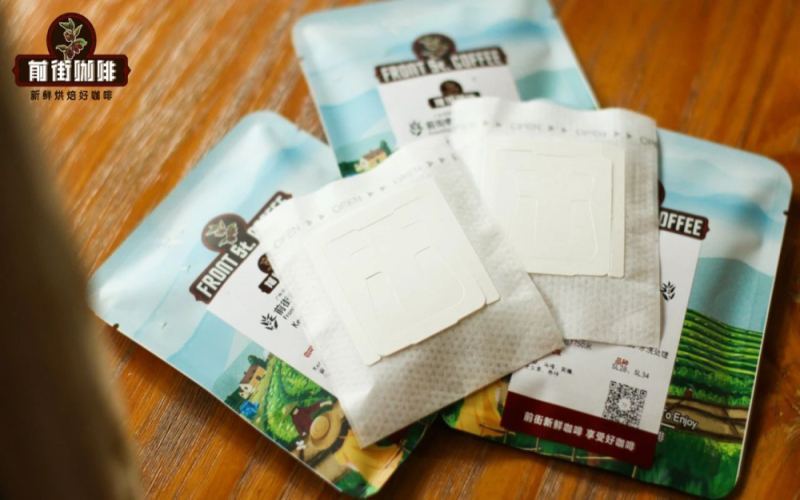
In the fast-paced modern life, if you want to enjoy a high-quality cup of black coffee anytime, drip bag coffee is undoubtedly an ideal solution. This invention, which originated from UCC Ueshima Coffee in Japan, now occupies 15% of the Japanese coffee market. However, although they are all called drip bag coffee, the quality varies greatly—specialty bean raw materials, breathable and non-toxic filter paper, and nitrogen-flushing preservation technology are all indispensable. This article will guide you through the historical origins and core characteristics of drip bag coffee, and focus on how the Front Street brand uses specialty estate beans and diverse roasting to create eight drip bag products with distinct terroir characteristics, from the brightly fruity Yirgacheffe to the rich and full-bodied Mandheling, meeting the needs of people with different taste preferences. [more…]
How to Brew Drip Bag Coffee So It Actually Tastes Good? A Complete Breakdown and Step-by-Step Guide from Coffee-to-Water Ratio and Water Temperature to Pour Timing
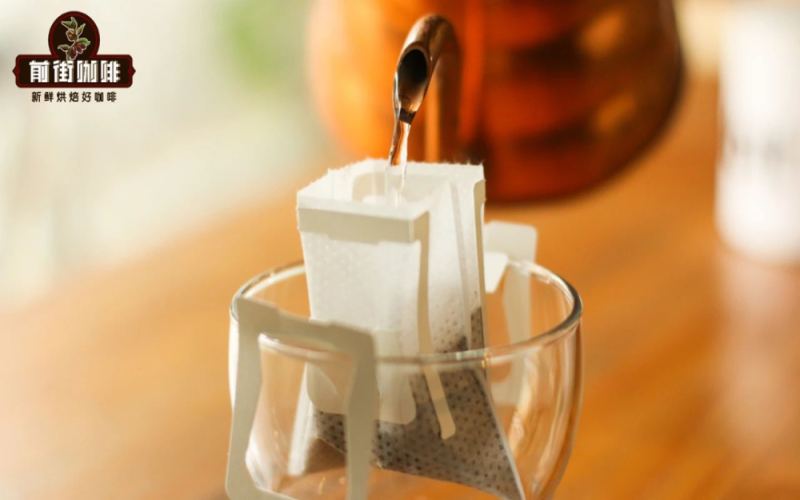
Drip bag coffee combines the rich flavor of pour-over with the convenience of instant coffee, and in recent years it has become the daily first choice for many coffee lovers. But the seemingly simple drip bag, from bean selection, grinding, and packaging to the final brewing, has every step that can directly affect the performance in the cup. This article starts from the production process of Front Street drip bag coffee, explains in detail key details such as grinder cleaning and nitrogen preservation, and separately introduces the flavor characteristics of two seasonal drip bags: Brazil semi-washed red fruit and Ethiopia natural Sidamo Huakui. It then moves into the hands-on section, using a 10-gram Front Street drip bag as an example, and gives specific recommendations on water temperature, blooming time, pouring technique, and cup selection, helping you easily brew a cup of drip bag coffee with complete flavor at home. [more…]
A Beginner's Guide to Drip Bag Coffee: An Analysis of Mainstream Flavor Types and Beginner-Friendly Brand Recommendations
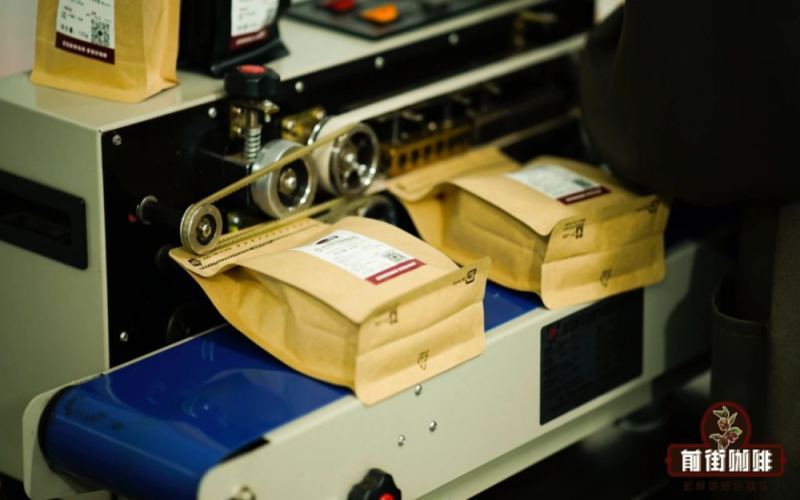
Drip bag coffee, with its convenience of being ready to brew and drink instantly and its natural taste superior to instant coffee, is becoming the daily choice of more and more coffee lovers. To preserve the freshness of ground coffee, many brands adopt fresh-roasting and immediate packaging, high-purity nitrogen preservation, and fully automatic packaging processes, so that the aroma bursts forth the moment the bag is opened. Faced with a dazzling array of products on the market, beginners often do not know where to start. This article sorts out the core characteristics of drip bag coffee and selects four Front Street Coffee drip bag coffees, explaining each one from roast level to flavor, to help beginners follow the clues. At the end of the article, detailed drip bag brewing steps are also included, so you can easily brew black coffee close to cafe quality at home. [more…]
A Brand Recommendation Guide for Buying Imported Pure Coffee Beans: Why Experts Prefer Small Bean Traders
Coffee, wine, and tea are all flavor foods, yet China's coffee bean production accounts for only about 1% of the global total, and most beans on the market are imported. If you just want to try brand-name beans with a sharing mindset, feel free to give them a try; but if you're giving them to someone who knows coffee, it's best to give up on shopping at large supermarkets. Whether espresso or single-origin, there is only one core principle when buying: fresh roasting. Beans from supermarkets or chain brands are often already months past their roast date, with their aroma severely lost—even nitrogen-flushing and other preservation techniques can't save them. In addition, if you can obtain information on variety, altitude, and processing method, and the more specific the origin, the more guaranteed the quality usually is. This article recommends several freshly roasted specialty coffee brands and explains why small bean merchants deserve more attention. [more…]
Can You Still Drink Coffee a Few Months Past Its Expiration Date? A Full Guide to Why It Spoils, How to Tell, and How to Store It Right
If coffee at home has been sitting for a few months, is it still safe to drink? This is a question many coffee lovers run into. In fact, all coffee—whether whole beans or ground coffee—will eventually expire. Coffee is made up of degradable compounds such as carbohydrates, lipids, and amino acids, and over time it undergoes chemical and physical breakdown, changing in both quality and flavor. Roasters typically print a shelf life of about one year from the roast date on the packaging and use nitrogen-flushed sealed packaging to slow oxidation. However, once the bag is opened, the coffee gradually loses freshness as it is exposed to oxygen and moisture. This article will systematically address the safety of expired coffee, the factors behind its deterioration, how to tell whether it has gone bad, and how to extend its life as much as possible through proper storage and freezing while preserving the distinctive flavors of specialty coffee. [more…]
Drip Bag Coffee Buying Guide: From History to Specialty Brands, Front Street Coffee's Ten Flavor Test Analysis
In a fast-paced life, if you want a good cup of coffee at any time without any fuss, drip bags are undoubtedly a smart choice. This little invention from Japan now accounts for 15% of Japan's regular coffee market. But even among drip bags, quality varies enormously—specialty beans, highly permeable filter paper, and nitrogen flushing for freshness are all indispensable. Front Street Coffee uses hundreds of specialty estate beans to make pour-over drip bags, from Yirgacheffe to Geisha Village Chaka, each labeled with roast level and flavor notes. This article sorts through the history and key buying points of drip bag coffee, and one by one breaks down the flavor characteristics of eight products including Front Street's classic five-region current-season drip bag series, to help you find the cup that suits your taste. [more…]
Why Is Iced Cappuccino Rarely Seen? A Full Analysis from Naming Origins to Milk Foam Craft and Differences from Latte
People often ask for an iced cappuccino when ordering, only to be told that only the hot version is available. This has both historical roots and involves considerations of crafting technique and taste experience. The name cappuccino comes from Italian and is related to the color and shape of church robes; the traditional recipe consists of equal thirds of espresso, hot milk, and hot milk foam. Milk foam is also divided into dry and wet types, affecting the durability of the design and the mouthfeel. To meet diverse needs, chain coffee shops add whipped milk foam on top of an iced latte, but the taste differs noticeably from a hot cappuccino enjoyed in-house. This article will also introduce practical methods for making iced milk foam using a nitrogen canister, gelatin sheets, or a French press, and explain the core differences between cappuccino and latte in ratio and flavor, while preserving relevant suggestions from Front Street Coffee. [more…]

The Origin and Evolution of Drip Bag Coffee: From Tea Bag Inspiration to a Detailed Guide to Front Street Coffee's Drip Bag Brewing Techniques
In the fast-paced life of the city, wanting to enjoy a healthy cup of pour-over-grade single-origin coffee at any time is no easy task. Although instant coffee is convenient, it often adds a burden to the body because of sugar and creamer. The invention of drip bags struck just the right balance between convenience and quality. This article will trace the origin story of drip bag coffee from the Japanese tea bag concept to commercial improvements, and take an in-depth look at Front Street Coffee's key steps in drip bag production, including grinder cleaning, grind size control, and nitrogen packaging. Finally, it will present practical drip bag pour-over brewing steps and parameters to help every coffee lover enjoy a cup of pure, authentic single-origin coffee anytime, anywhere. [more…]
How to Properly Brew Kopi Luwak Coffee Beans? A Detailed Guide to Pour-Over Equipment, Water Temperature Control, and Flavor Adjustment Techniques
As one of the most expensive coffees in the world, the way Kopi Luwak is brewed directly affects how its final flavors are expressed. To preserve its unique aroma, the coffee beans are usually packaged individually with nitrogen, and the production process is intricate and rigorous. To truly savor the essence of Kopi Luwak, it is recommended to add neither sugar nor milk, allowing the coffee to present itself in its purest, most authentic state. This article will explain in detail the preparation of pour-over equipment for Kopi Luwak, the specific brewing steps, and how to adjust water temperature, grind size, and roast level according to taste, helping coffee lovers brew a high-quality cup of Kopi Luwak at home. At the same time, we will also introduce you to the origin background of Front Street Coffee's Kopi Luwak and the unique habits of the civet. [more…]
Can Drip Coffee Bags Be Reused for Multiple Brews? The Flavor Performance of a Second Brew and the Correct Way to Use Them
Drip bag coffee has become the daily first choice for many coffee lovers thanks to its convenience and specialty-grade flavor. But many people wonder: how many times can one drip bag actually be brewed? Does a second brew still have any flavor? Starting from the production process of Front Street Coffee's drip bags, this article provides a detailed analysis of how key steps such as grinding, grinder cleaning, and nitrogen packaging affect flavor, and introduces two seasonal products: the Front Street Brazil Pulped Natural Red Fruit Drip Bag and the Ethiopia Natural Sidamo Hambela Drip Bag. At the same time, the article also explains the correct brewing parameters and techniques for drip bag coffee, and answers the common question of "can it be brewed repeatedly," helping you easily enjoy a good cup of coffee at home. [more…]

Huakui 7.0 New Harvest Flavor Analysis: From Champion Lot to Sidamo Natural Coffee Beans Pour-Over Parameters Explained
The 2023 new-crop Huakui 7.0 coffee beans have arrived at port, reigniting discussions about their flavor and authenticity. This article begins with the 2017 TOH champion lot, tracing the origin of the Huakui name, the relationship between Buku Abel village and the surrounding processing stations, and why the "Huakui flavor" is not the same year after year. It also shares Front Street Coffee's cupping performance and pour-over recommendations for Huakui 7.0, helping coffee enthusiasts gain a more comprehensive understanding of this Sidamo natural bean's characteristics. [more…]
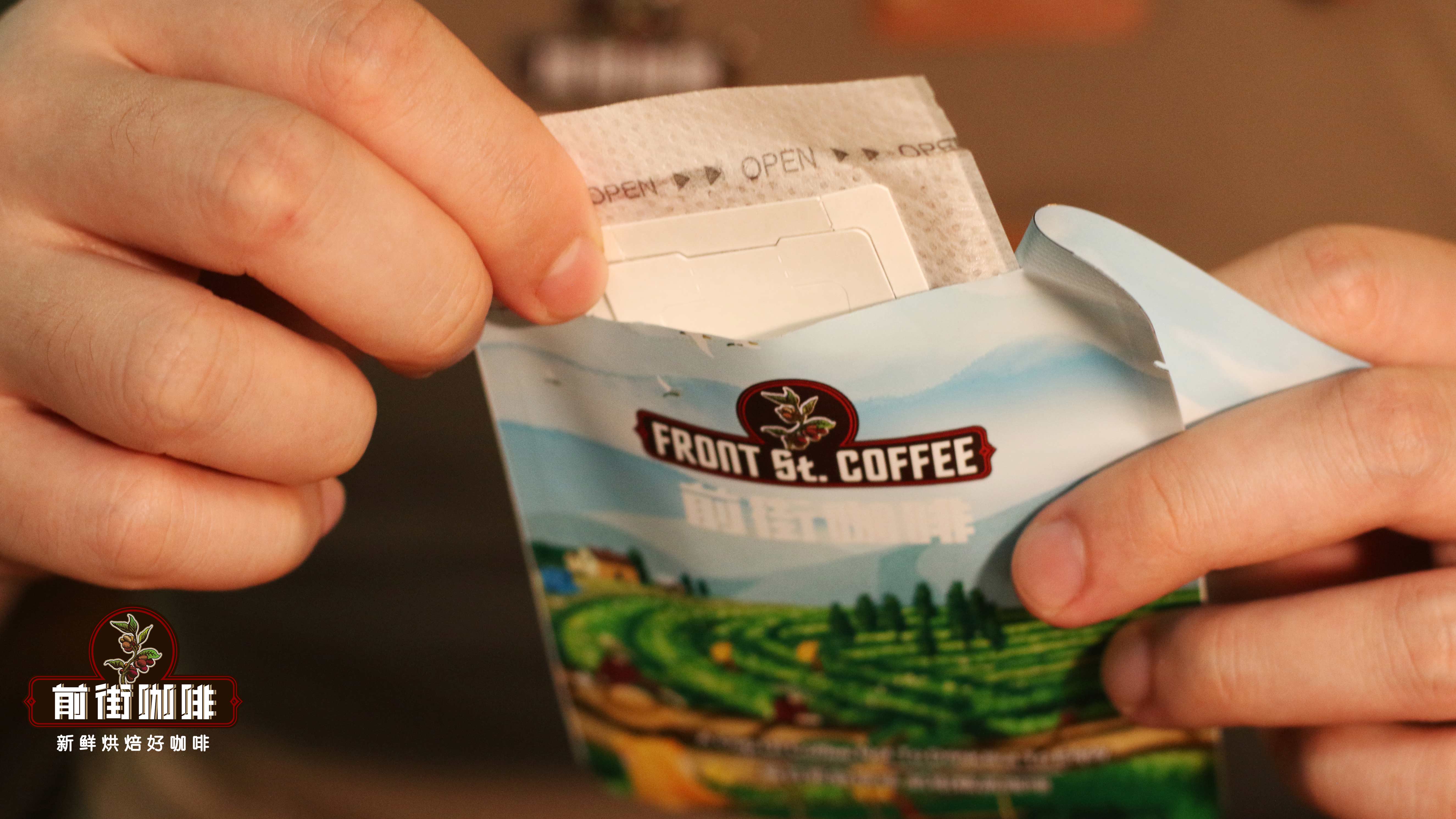
In-Depth Review of Five Single-Origin Drip Coffee Bags: Front Street Coffee Teaches You the Full Process from Bean Variety to Brewing
Since the invention of drip bag coffee by Yamanaka Sangyo Co., Ltd. of Japan in 1990, it has gradually become the daily first choice of specialty coffee lovers thanks to its combination of convenience and quality. Front Street Coffee has long provided drip bag coffee packets for sale and customization. This article selects five distinctive single-origin beans—covering tea-like notes, floral aromas, fruity notes, fermented aromas, and a rich, full-bodied taste—and explains in detail the entire process from bean selection, grinding and cleaning, automated nitrogen-flushed packaging, to standard brewing parameters, helping you consistently reproduce a delicious single-origin drip bag coffee at home. [more…]
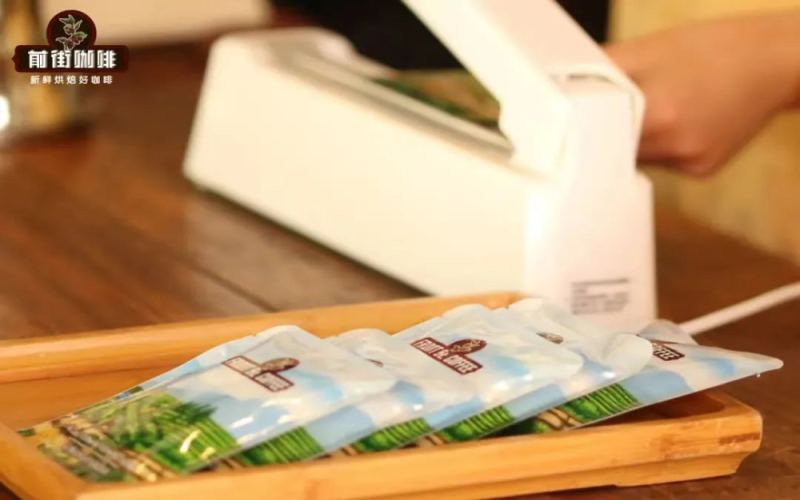
The Complete Guide to Drip Bag Coffee: Can You Steep It Directly? How to Choose the Grind Size?
Drip bag coffee is gaining popularity among more and more coffee lovers thanks to its convenience, but many people still have questions about how to brew it and how to choose the right grind size. This article will answer in detail whether drip bags can be steeped directly, how the coarseness of the coffee grounds affects flavor, and share Front Street Coffee's professional experience in making drip bags. From grind size classification to automated packaging, and on to controlling coffee bean freshness, we take you through the secrets of drip bag coffee so you can brew a great cup anytime, anywhere. [more…]

How to Choose Drip Bag Coffee Flavors | How Many Times Can You Brew a Drip Bag? What Are the Advantages of Filter Coffee Bags? How Is Drip Coffee Different from Instant Coffee?
Many coffee enthusiasts enjoy drinking specialty pour-over coffee, but they feel that pour-over coffee requires a lot of equipment and操作既需要技巧又需要很多器具。Front Street has therefore launched a drip bag series. The Front Street drip coffee series offers flavors from multiple origins, such as Sidamo, Brazil, Honduras Shirley, and more. Of course, there are other types [more…]
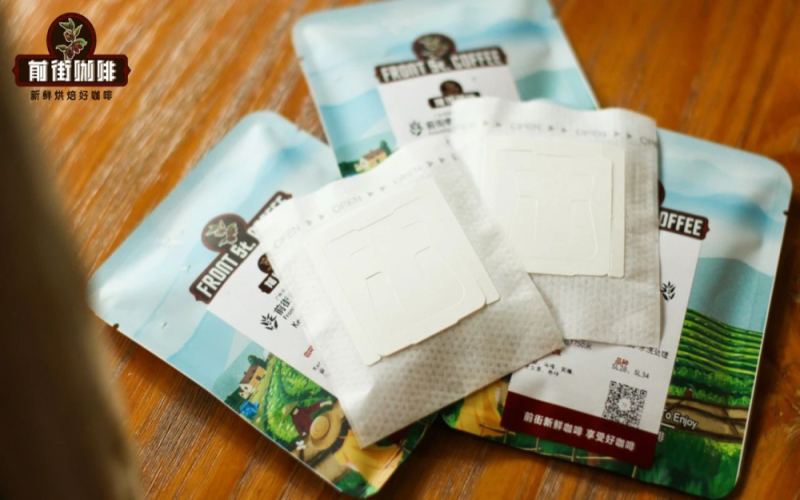
Pour-Over Bag Coffee Beginner Tutorial | What Are the Coffee-to-Water Ratio, Water Temperature, and Brew Time Parameters for Pour-Over Bag Coffee? How to Choose Pour-Over Bag Coffee? What Flavors Does Pour-Over Bag Coffee Have?
Many coffee enthusiasts enjoy specialty pour-over coffee, but feel that pour-over requires a lot of equipment and skill to make. To address this, Front Street Coffee has launched a series of drip coffee bags. The Front Street Coffee drip bag series features flavors from multiple regions, such as Sidamo, Brazil, and Honduras Sherry, among others. Of course, there are other types. [more…]
Coffee Shelf Life and Proper Storage: Roast Dates, Causes of Staleness, and Freezer Misconceptions Explained
How long can coffee be stored? Will it go bad if kept for too long? Can you still drink it after the expiration date? These are questions everyone who stocks up on coffee at home will encounter. From the perspective of Front Street, this article first explains why coffee ultimately deteriorates—degradable compounds break down over time, and how oxygen, moisture, and storage methods accelerate this process; then it offers practical preservation principles: seal tightly, keep cool, avoid light, prevent moisture, and emphasizes that drinking it as soon as possible is the best approach. The article also analyzes why putting coffee in the refrigerator is not advisable, teaches you to use your nose to judge whether coffee has already gone stale, and recommends more reliable storage tools such as vacuum-sealed bags. [more…]
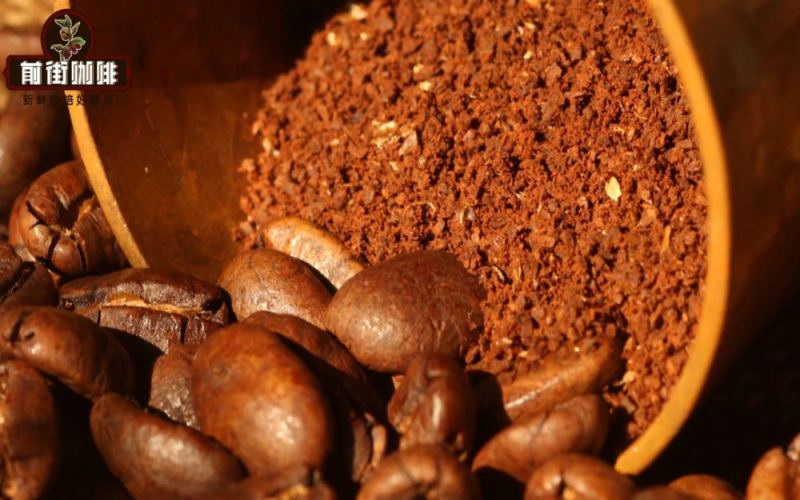
Can freshly roasted coffee beans be drunk immediately? Analyzing the necessity of resting beans and the optimal time to enjoy them.
Many coffee lovers believe that the fresher the coffee beans, the better, and some even can't wait to brew them straight out of the roaster. But is that really true? This article begins with the development of the domestic coffee market, reviewing the freshness dilemma of the past when people relied on imported beans, as well as the pursuit of coffee bean freshness after the rise of local roasting today. We will explore whether freshly roasted coffee beans are in their optimal drinking state, why beans need to be rested, and how to determine the appropriate flavor window. Whether you are a beginner just starting out or a connoisseur chasing the ultimate flavor, understanding the principles of resting beans can help you better enjoy a good cup of coffee. Front Street Coffee will also provide you with practical advice. [more…]

A Complete Guide to Coffee Bean Resting: Whether to Rest, How Long, and How to Judge Freshness
When you first buy coffee beans, you'll often hear baristas suggest letting them "rest" before brewing for better flavor. But why do coffee beans need to rest? How long should the resting period be? And how long can freshly roasted beans be stored? These questions puzzle many coffee lovers. From Front Street's perspective, this article discusses the principles behind resting beans: freshly roasted beans carry popcorn and smoky notes and are rich in carbon dioxide, which hinders extraction; resting is precisely the process that lets the gas release slowly and the flavors gradually unfold. It also shares how to judge a bean's condition by the doming during the bloom, and why, once you receive your beans, you might as well drink them while observing how they change. [more…]
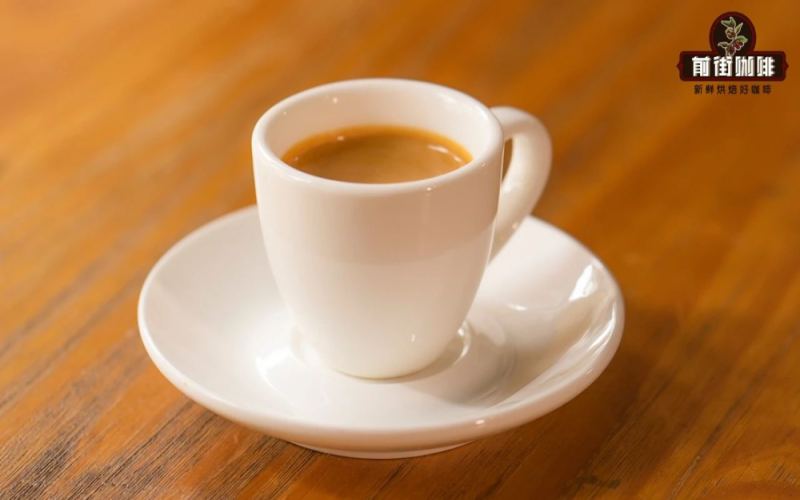
What Is Coffee Crema Made Of? | Why Does Espresso Have Crema? What Factors Affect the Richness of Espresso Crema?
Just a few days ago, a customer came to Front Street Coffee's store in Dongshankou, Guangzhou to drink espresso, and before leaving said, "I really love your espresso, the crema is the richest I've ever seen!" It happened that a friend also asked Front Street about that espresso. [more…]